How Does an FPC Antenna Improve Wireless Performance in Compact Devices?
Article Summary: As electronic products become smaller, thinner, and more connected, antenna integration has become a critical engineering challenge. An FPC Antenna provides a flexible solution that can fit into narrow, curved, and irregular spaces while supporting dependable wireless communication. This article explains how an FPC Antenna works, which factors influence its performance, how to select the right solution, and how Shenzhen Qianmu supports customized antenna development for IoT devices, wearables, smart home products, portable electronics, and other connected equipment.
Article Outline
- Why Antenna Integration Is Challenging in Compact Devices
- What Makes an FPC Antenna Different
- How an FPC Antenna Works
- Factors Affecting Antenna Performance
- FPC Antenna vs. PCB Antenna
- How to Select the Right FPC Antenna
- Common Applications
- Shenzhen Qianmu's Customization Capabilities
- Installation Considerations
- Quality Control and Testing
- Frequently Asked Questions
- Conclusion
Table of Contents
- Why Is Antenna Integration Challenging in Compact Devices?
- What Makes an FPC Antenna Different?
- How Does an FPC Antenna Work?
- Which Factors Affect FPC Antenna Performance?
- How Does an FPC Antenna Compare with a PCB Antenna?
- How Should You Select an FPC Antenna?
- Where Are FPC Antennas Commonly Used?
- How Does Shenzhen Qianmu Support FPC Antenna Projects?
- What Should Be Considered During Installation?
- How Is FPC Antenna Quality Verified?
- Frequently Asked Questions
- Conclusion
Click any item above to jump directly to that section.
Why Is Antenna Integration Challenging in Compact Devices?
Wireless connectivity is now expected in products that were once purely mechanical or standalone. Smart watches, tracking terminals, wireless sensors, smart locks, portable terminals, routers, vehicle electronics, and many other products need dependable communication without adding unnecessary size.
This creates a difficult engineering balance. The antenna must occupy limited internal space while maintaining appropriate impedance matching, radiation efficiency, bandwidth, and signal stability. At the same time, it has to coexist with batteries, displays, metal frames, cables, circuit boards, shielding structures, and plastic or composite housings.
A poorly positioned antenna can create problems that may not be obvious during the early design stage. A product can perform adequately in an open test environment but experience reduced range, unstable connections, poor positioning accuracy, or inconsistent wireless performance after the antenna is installed inside the final enclosure.
This is where an FPC Antenna becomes valuable. Its flexible construction gives designers greater freedom to position the radiating structure within three-dimensional internal spaces instead of restricting the antenna to a single rigid mounting location.
What Makes an FPC Antenna Different?
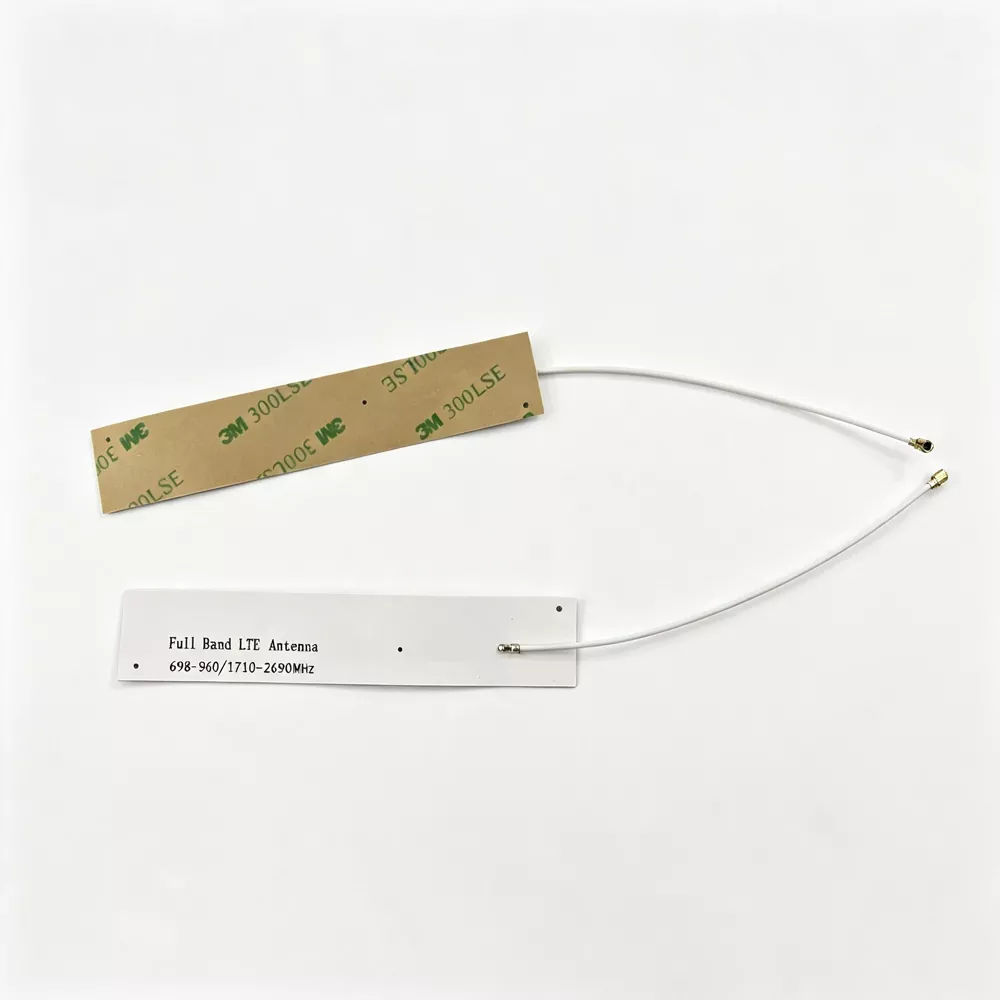
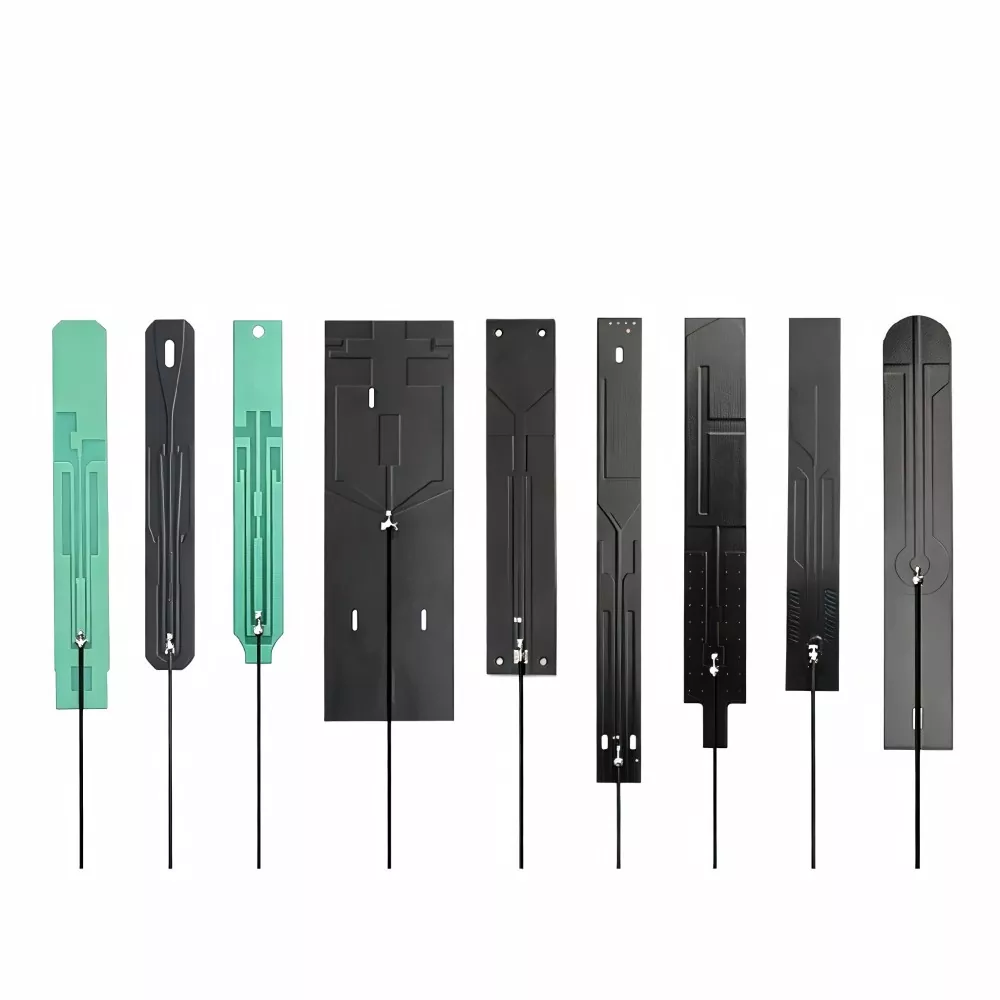
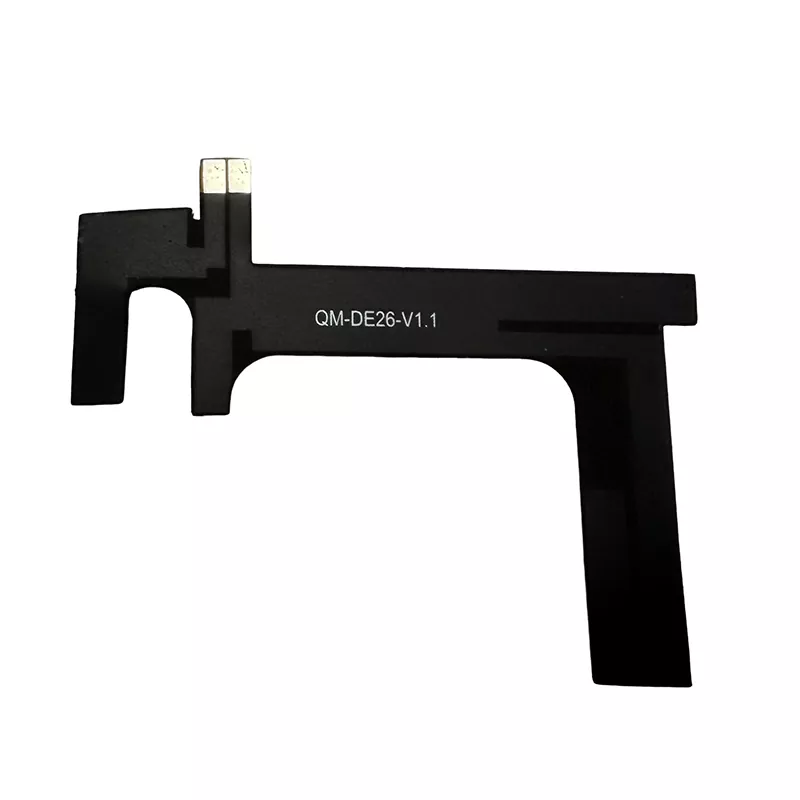
An FPC Antenna is a flexible printed circuit-based antenna designed to provide wireless communication in electronic equipment. Unlike a conventional rigid antenna structure, the flexible substrate can be shaped or positioned according to the internal geometry of a product.
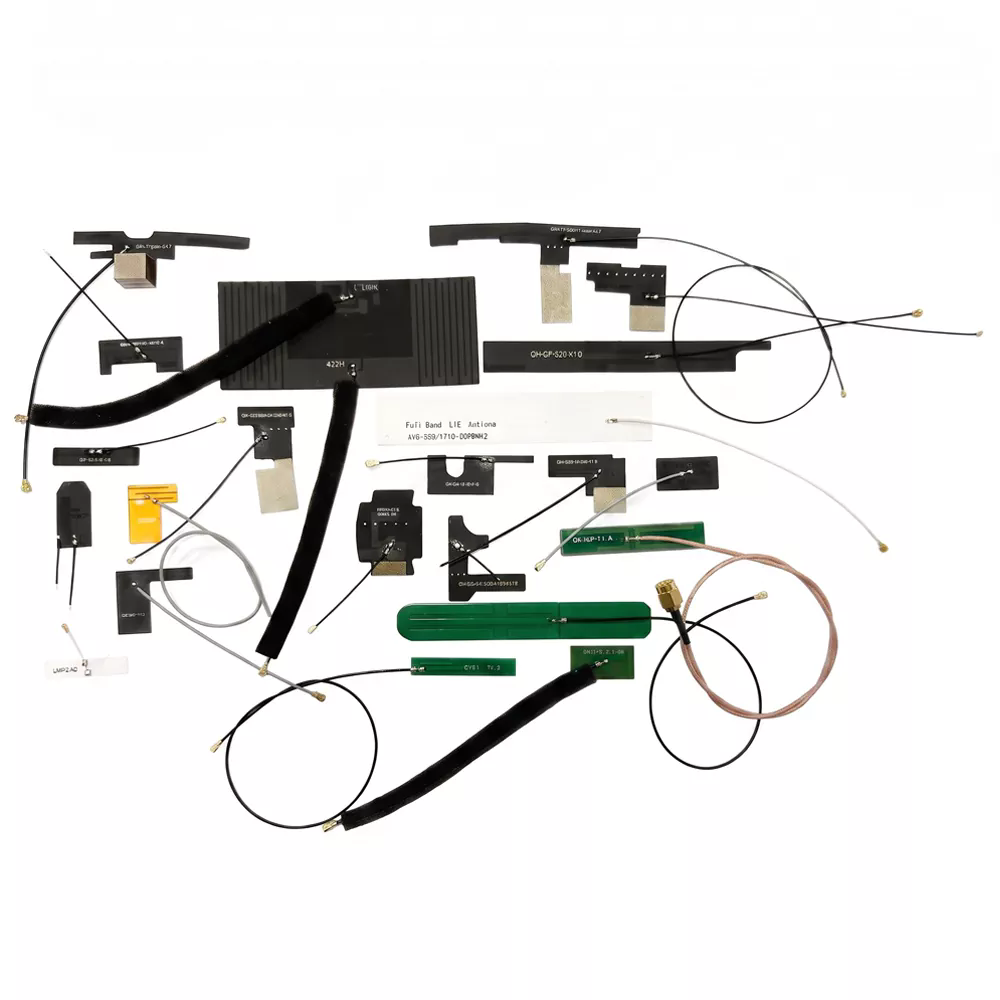
The antenna can be designed with a thin profile and supplied with different cable lengths, connectors, dimensions, and electrical characteristics according to the application.
For product designers, the main advantage is not simply flexibility. The greater benefit is the additional freedom it provides when solving the relationship between RF performance and mechanical packaging.
- Flexible installation: It can fit curved or irregular internal areas.
- Space efficiency: Its thin construction helps preserve valuable enclosure volume.
- Lightweight construction: It is suitable for portable and wearable products.
- Design adaptability: Dimensions and connection configurations can be customized.
- Multi-frequency capability: Properly engineered designs can support multiple wireless bands.
- Easy integration: Adhesive mounting and cable-based connections can simplify assembly.
How Does an FPC Antenna Work?
The operating principle of an FPC Antenna is based on electromagnetic radiation and reception. When an RF signal reaches the antenna through the connected transmission path, the conductive antenna pattern generates an electromagnetic field. In receiving mode, electromagnetic energy from the surrounding environment is converted into an electrical signal and delivered to the RF circuit.
Although the fundamental principle is straightforward, practical antenna performance depends heavily on the relationship between the antenna and its surrounding environment.
For example, a battery positioned too close to the radiating element may influence the antenna's electrical characteristics. A metal frame can change current distribution and detune the antenna. Even the thickness and dielectric properties of the device housing can affect the final result.
For this reason, an FPC Antenna should not be treated as an isolated component. It is part of the complete RF system.
A typical development process includes:
- Defining the required wireless standards and operating frequencies.
- Evaluating the available installation area.
- Reviewing the product's mechanical structure.
- Designing the antenna geometry.
- Optimizing impedance matching.
- Building prototype samples.
- Testing the antenna in the actual product enclosure.
- Adjusting the design according to measured performance.
- Verifying production consistency before volume manufacturing.
Which Factors Affect FPC Antenna Performance?
Choosing an antenna solely according to its frequency is rarely sufficient. A suitable FPC Antenna must be evaluated according to the complete application environment.
| Factor | Why It Matters | Design Consideration |
|---|---|---|
| Operating Frequency | Determines the antenna's electrical design requirements. | Wi-Fi, Bluetooth, GNSS, LTE, 5G, NFC, or other target bands. |
| Available Space | Controls physical antenna dimensions and placement. | Measure the actual usable area inside the enclosure. |
| Metal Components | Can affect resonance, current distribution, and radiation. | Maintain appropriate clearance where possible. |
| Battery Position | May influence the electromagnetic environment. | Evaluate antenna placement together with the battery. |
| Housing Material | Different materials can alter RF behavior. | Test the antenna in the final housing. |
| Ground Plane | Can influence radiation characteristics and matching. | Consider the PCB and surrounding conductive structures. |
| Cable and Connector | Affects RF transmission between antenna and module. | Choose suitable cable type, length, and connector configuration. |
One common mistake is approving an antenna based only on a laboratory sample. A design that performs well before final assembly can behave differently after installation into the finished enclosure. Testing under realistic conditions is therefore essential.
How Does an FPC Antenna Compare with a PCB Antenna?
Both FPC and PCB antennas can provide effective wireless connectivity, but their strengths are different. The appropriate choice depends on product structure, production requirements, available space, and RF objectives.
| Feature | FPC Antenna | PCB Antenna |
|---|---|---|
| Physical Flexibility | High | Low |
| Curved Installation | Suitable | Generally limited |
| Installation Freedom | High | Usually tied to PCB layout |
| Weight | Low | Depends on PCB construction |
| Space Optimization | Excellent for irregular spaces | Best when board space is available |
| Customization | Dimensions, cable, connector, and RF characteristics can be customized | Closely associated with PCB design |
| Typical Applications | Wearables, IoT devices, portable products, compact terminals | Wireless modules and products with suitable PCB layouts |
If a product has sufficient PCB space and the antenna can be integrated directly into the board, a PCB antenna may be practical. If the product has complex internal geometry or requires greater installation freedom, an FPC Antenna can offer a more adaptable solution.
How Should You Select an FPC Antenna?
Before choosing an FPC Antenna, product engineers should define the application requirements as precisely as possible. This helps prevent costly redesigns later in the development cycle.
Start with Wireless Requirements
Identify every wireless function the product needs to support. Common requirements include Wi-Fi, Bluetooth, GNSS, cellular communication, NFC, and other IoT connectivity technologies.
For multi-band products, the antenna design must account for interaction between frequency bands rather than treating each frequency independently.
Measure the Real Installation Area
Provide accurate mechanical information, including the available antenna area, product dimensions, enclosure shape, nearby components, mounting position, and expected bending or folding conditions.
Accurate mechanical information is particularly important when the product has a very small enclosure. A small change in clearance can influence the final RF result.
Define the Connection Configuration
The antenna may require a specific RF connector or cable assembly. Connector types, cable length, routing direction, and installation orientation should be considered before prototype production.
Consider the Final Product Environment
An antenna intended for a wearable device may have completely different requirements from one used in an industrial wireless terminal. Temperature, vibration, enclosure material, user proximity, and installation location can all influence the final design.
Where Are FPC Antennas Commonly Used?
Wearable Electronics
Wearable products have extremely limited internal space. Smart watches, fitness trackers, smart glasses, and other wearable electronics need compact antennas that can fit around batteries, displays, processors, and mechanical structures.
IoT Devices
IoT terminals often require continuous wireless connectivity while operating inside small housings. Smart meters, tracking devices, environmental sensors, monitoring equipment, and connected controllers can benefit from flexible antenna installation.
Smart Home Equipment
Smart locks, intelligent lighting controllers, smart speakers, gateways, and connected household products need dependable wireless communication without compromising industrial design. FPC construction gives designers additional options for positioning the antenna inside the housing.
Portable Electronics
Tablets, handheld terminals, wireless accessories, and portable communication equipment require a balance between compactness, appearance, durability, and RF performance. Flexible antenna structures can help engineers use otherwise difficult internal spaces.
Vehicle and Industrial Electronics
Connected vehicle electronics and industrial wireless devices may contain multiple communication systems and complex mechanical structures. In such environments, antenna placement and isolation become especially important, making customized antenna engineering valuable.
How Does Shenzhen Qianmu Support FPC Antenna Projects?
Shenzhen Qianmu provides customized FPC Antenna solutions for manufacturers that need to integrate wireless communication into compact electronic products.
The development approach begins with the customer's actual application rather than forcing every project into a standard antenna format. Engineers can evaluate the product's mechanical dimensions, wireless requirements, installation location, RF module, surrounding materials, and performance objectives before developing the antenna structure.
This approach is particularly useful when customers encounter problems such as:
- Insufficient internal installation space.
- Unstable wireless communication.
- Unexpected antenna detuning after enclosure assembly.
- Difficulty fitting a rigid antenna into a curved structure.
- Need for multiple wireless frequency bands.
- Uncertainty about connector and cable configuration.
- Performance differences between prototypes and mass-produced products.
Shenzhen Qianmu can support different stages of a project, including technical evaluation, antenna customization, prototype development, RF adjustment, performance testing, and volume production.
For OEM and product-development teams, working with an experienced antenna manufacturer can also reduce communication gaps between mechanical design, RF engineering, and manufacturing teams.
What Should Be Considered During Installation?
Even a well-designed FPC Antenna can underperform if it is installed incorrectly. Installation should therefore be treated as part of the RF design process.
- Keep the antenna away from large metal structures whenever the design permits.
- Follow the intended antenna orientation. Changing the position can alter radiation behavior.
- Avoid unnecessary cable loops. Cable routing should follow the intended RF configuration.
- Use the specified adhesive or mounting method. Mechanical installation should not introduce unexpected deformation.
- Prevent accidental folding in critical radiating areas. Bending should follow design requirements.
- Test the complete assembly. The final housing, battery, PCB, display, and other components should be included during verification.
When the antenna is integrated into a mass-produced device, assembly tolerances should also be considered. Consistent positioning helps maintain consistent RF performance from unit to unit.
How Is FPC Antenna Quality Verified?
Reliable antenna manufacturing requires more than visual inspection. Electrical and structural characteristics should be checked throughout development and production.
| Test Area | Purpose |
|---|---|
| Frequency Response | Checks whether the antenna operates within the intended frequency range. |
| Impedance Matching | Evaluates compatibility between the antenna and RF transmission system. |
| VSWR | Helps identify impedance mismatch and reflected RF power. |
| Gain | Evaluates radiation performance under defined conditions. |
| Radiation Efficiency | Shows how effectively input RF power is converted into radiated energy. |
| Appearance Inspection | Identifies physical defects that could affect assembly or reliability. |
| Dimensional Verification | Confirms that the antenna matches specified mechanical requirements. |
| Assembly Verification | Checks cable, connector, adhesive, and other configured components. |
Prototype testing is particularly important because RF performance can change after the antenna is installed in the customer's actual device. Design adjustments made before mass production are generally much less costly than correcting an RF problem after tooling and production have already begun.
Frequently Asked Questions
1. What is an FPC Antenna?
An FPC Antenna is a flexible printed circuit antenna designed for wireless communication applications. Its flexible construction allows it to be installed in compact, curved, or irregular spaces where rigid antenna structures may be difficult to use.
2. What wireless technologies can an FPC Antenna support?
Depending on the design, FPC antennas can be developed for applications involving Wi-Fi, Bluetooth, GNSS, cellular networks such as LTE and 5G, NFC, and other wireless communication systems.
3. Is an FPC Antenna suitable for small electronic products?
Yes. Its thin and flexible structure makes it particularly useful for products where internal space is limited, including wearables, IoT sensors, portable electronics, smart home equipment, and compact communication terminals.
4. Can an FPC Antenna be customized?
Yes. Customization may include antenna dimensions, operating frequency, cable length, connector type, installation method, and electrical performance requirements. Shenzhen Qianmu can develop the antenna according to the specific requirements of the customer's product.
5. Can one FPC Antenna support multiple frequency bands?
Multi-band designs are possible when the required frequency ranges and product structure allow it. Antenna geometry, matching networks, installation environment, and interaction between frequency bands must be considered during development.
6. Why does antenna performance change after installation?
The surrounding environment affects RF behavior. Batteries, metal components, circuit boards, displays, cables, enclosure materials, and even antenna position can change impedance and radiation characteristics. Final-product testing is therefore important.
7. Is an FPC Antenna better than a PCB antenna?
Neither technology is universally better. An FPC Antenna is generally advantageous when installation flexibility, compactness, or irregular mounting space is important. A PCB antenna can be practical when the antenna can be integrated directly into a suitable circuit board layout.
8. What information should be provided when requesting a customized antenna?
Useful information includes target frequency bands, wireless protocols, antenna dimensions, available installation area, product enclosure material, PCB information, RF module details, connector requirements, cable length, operating environment, and desired performance targets.
9. Should an antenna be tested inside the final product?
Yes. Testing the antenna in its final mechanical environment provides a more realistic evaluation because surrounding components can significantly influence RF behavior.
10. Can Shenzhen Qianmu provide samples before mass production?
Yes. Shenzhen Qianmu supports prototype development and sample evaluation so antenna performance can be assessed and optimized before volume manufacturing.
Conclusion
As connected products become smaller and more sophisticated, antenna integration is becoming an increasingly important part of product engineering. A well-designed FPC Antenna provides manufacturers with greater freedom to use limited internal space while maintaining the wireless functionality required by modern electronic devices.
The most successful antenna solution is not simply the one with the smallest dimensions or highest nominal gain. It is the solution that works reliably within the complete product system. Frequency requirements, mechanical structure, PCB layout, battery location, metal components, housing materials, cable routing, assembly tolerances, and final-product testing all need to be considered together.
For manufacturers developing wearable devices, IoT equipment, smart home products, portable electronics, vehicle electronics, or industrial wireless terminals, customized antenna development can help reduce integration difficulties and improve product reliability.
Shenzhen Qianmu combines antenna engineering, customization, prototype support, testing, and manufacturing capabilities to help customers develop FPC Antenna solutions suited to their specific products. If you are facing limited installation space, difficult RF integration, multi-band requirements, or inconsistent wireless performance, contact us to discuss your application and develop a practical FPC Antenna solution for your next project.
متعلقہ خبریں۔
- قابل اعتماد سمارٹ موبلٹی کنیکٹیویٹی کے لیے مشترکہ بائیک اینٹینا کیوں ضروری ہے۔
- اگلی نسل کے وائرلیس آڈیو آلات کے لیے ایک لچکدار ہیڈ فون اینٹینا کیوں ضروری ہے
- سیلنگ ماؤنٹ اینٹینا وائرلیس کمیونیکیشن کی کارکردگی کو کیسے بہتر بناتا ہے؟
- سیلولر نیٹ ورک اینٹینا وائرلیس کنیکٹیویٹی کو کیسے بہتر بناتا ہے؟
- ربڑ کی ڈکی اینٹینا بالکل کیا ہے؟
- جی پی ایس سیرامک اینٹینا بمقابلہ جی پی ایس ایف پی سی اینٹینا
مجھے ایک پیغام چھوڑ دو